A flatbed semi trailer is a flexible workhorse for African fleets (20ft Steel Flatbed Semi-Trailer 30000). It carries containers, steel, timber and machinery on one open deck (this 20ft 40ft). This guide explains how to choose the right unit for your routes and cargo.
What a Flatbed Semi Trailer Is and Where It Fits
A flatbed semi trailer has a flat, open cargo deck. It couples to a tractor unit through a kingpin. There are no side walls, so loading is easy from the side or above.
This design suits many cargo types. You can carry 20ft and 40ft containers, steel coils, pipes, bagged goods and building materials. Therefore, one trailer can serve several contracts.
African fleets often run mixed cargo. A flatbed handles port-to-warehouse container moves and general freight on the same route. That flexibility reduces the number of trailer types you must buy.
Most units in this class use steel construction. Steel resists impact and is easy to repair locally. However, steel adds weight, so check the payload figure against your cargo loads.
How to Choose the Right Flatbed Semi Trailer
Start with your cargo, not the price. Measure the heaviest load you expect to carry. Then match it to the trailer's rated load capacity.
Payload and deck length
The manufacturer offers 20ft flatbed models with a 30000KG load capacity. Several units are rated above 30000 KG. Choose a rating with a safe margin above your normal loads.
Deck length depends on your freight. A 20ft deck suits single containers and short steel. Longer units carry 40ft containers and long materials. Check local bridge and road limits before you order.
Axle configuration
Tandem axles spread the load and suit most regional routes. They are simpler to maintain than tri-axle sets. Fewer tyres also lower running costs.
Consider your typical road surface. Poor roads stress axles and suspension. Therefore, specify a robust suspension setup for unpaved routes.
Steel and build quality
Ask about steel grade and deck thickness. A full steel build gives good durability for heavy cargo. Check weld quality and deck flatness before delivery.
Coupling type
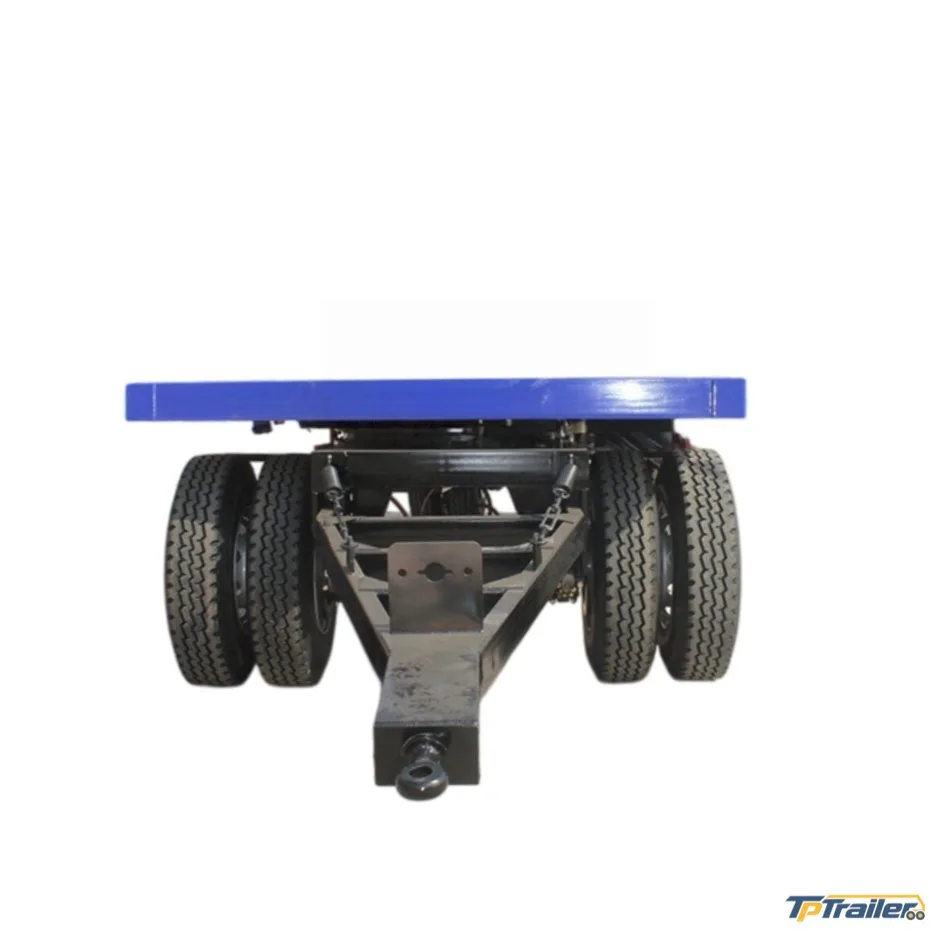
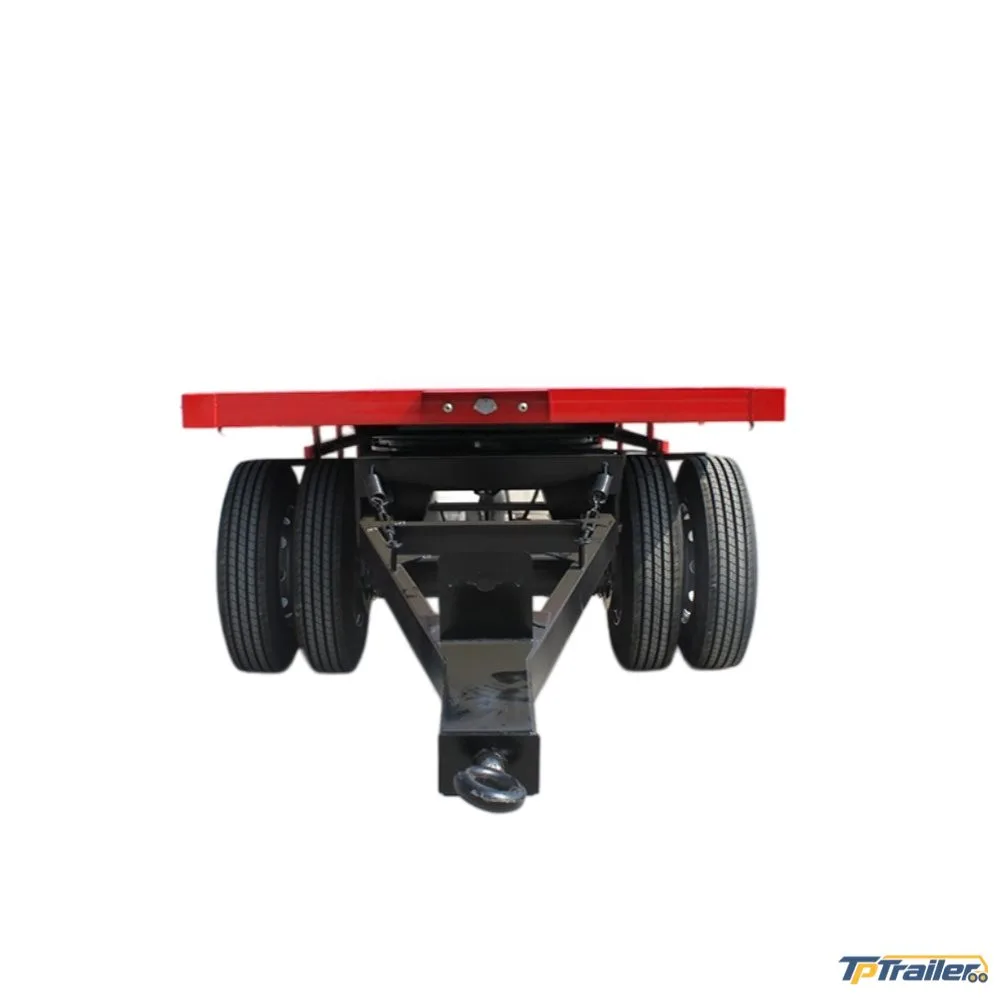
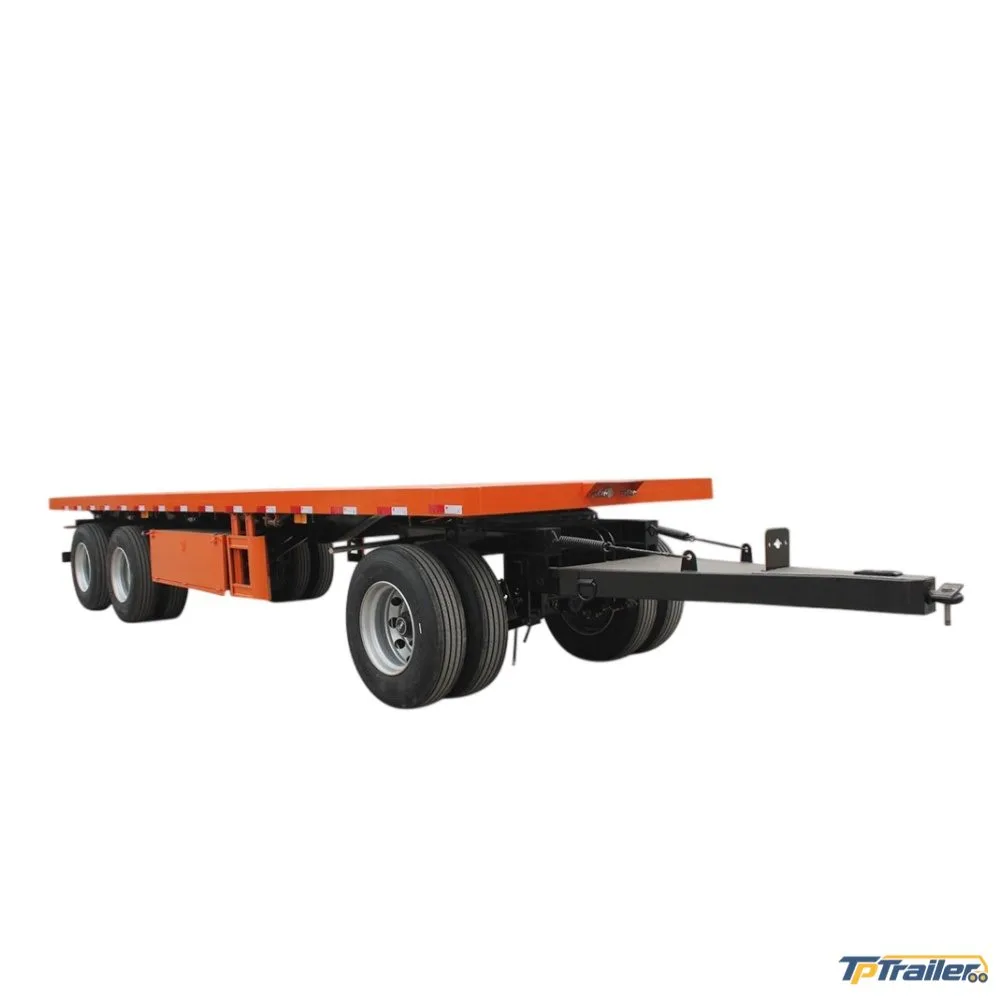
Most units use a kingpin for tractor coupling. Some models use a drawbar towing design. Drawbar units suit specific tractor setups, so confirm your fleet matches before buying.
Specifications That Matter for African Buyers
Several specifications decide whether a trailer performs well in African conditions.
| Specification | Why It Matters |
|---|---|
| Load capacity | Must exceed your heaviest regular load |
| Axle type | Affects load spread, tyre cost and maintenance |
| Deck material | Steel resists impact and local repair is easier |
| Coupling type | Must match your tractor or towing setup |
| Origin and support | China (Mainland) supply with parts availability |
Load capacity is the first check. A 30000KG rating suits many regional haulage jobs. For heavier freight, choose a unit rated above 30000 KG.
Axle type affects operating cost. Tandem axles are common and parts are widely available. Besides cost, check brake and suspension specifications for your terrain.
Parts availability matters over a trailer's life. Confirm that brake chambers, bearings and suspension parts can be sourced locally or through the manufacturer.
Product Options from the Manufacturer
The manufacturer builds several flatbed models for export buyers. Each one targets a different cargo and coupling need.
The 20ft Tandem Axle Flatbed Semi Trailer 30000KG Steel is a solid general-purpose unit. Its 30000KG load capacity suits container and steel haulage. Tandem axles keep tyre and maintenance costs manageable.
For heavier duty, consider the 20ft Full Steel Flatbed Semi Trailer, Tandem Axles, 30000 KG Payload. The full steel build handles rough loading and daily use. It is rated above 30000 KG.

Container operators may prefer the Full Type Flatbed 20FT Shipping Container Dolly Transport Trailer Container Dolly Semi-Trailer, 30000 KG Payload. It is designed around 20ft container moves. The rating is above 30000 KG.
Fleets with drawbar tractors have options too. The 20ft 40ft Drawbar Towing Full Flatbed Trailer Full Flatbed Semi-Trailer 30000 KG carries both container sizes. It uses a drawbar towing design and is rated above 30000 KG.
Practical Tips for African Fleet Operators
Good buying decisions start before the order. Follow these steps to reduce risk.
- Match payload to real loads, not brochure figures.
- Confirm axle and suspension specs for your road conditions.
- Check brake specifications against local rules.
- Ask for spare parts lists with the quotation.
- Plan a simple maintenance schedule from day one.
Inspect the trailer on arrival. Check welds, deck flatness, lights and brake function. Record any issues with photos and contact the supplier early.
Train drivers on load distribution. Uneven loads stress the deck and axles. Besides safety, correct loading extends trailer life.
Keep a spare parts stock for fast repairs. Common items include brake chambers, bearings and lamps. Downtime costs more than spare parts.
Conclusion
A flatbed semi trailer gives African fleets one platform for many cargo types. Choose payload, axles and steel build around your real routes. Confirm parts support before you commit. The manufacturer supplies heavy-duty trailers and trailer parts for export buyers. Request a quotation with your cargo details and route conditions to get a suitable configuration.
FAQ
What load capacity should I choose for a flatbed semi trailer?
Match capacity to your heaviest regular load. Models with a 30000KG rating suit many jobs. For heavier freight, choose a unit rated above 30000 KG.
What is the difference between tandem axles and more axles?
Tandem axles spread load across four tyre positions. They are simpler and cheaper to maintain. More axles may suit heavier or regulated loads.
Can a flatbed semi trailer carry shipping containers?
Yes. Many models carry 20ft and 40ft containers. Confirm the deck length and twist lock setup before ordering.
What is a drawbar towing flatbed trailer?
It connects through a drawbar instead of a kingpin. It suits specific tractor setups. Check that your fleet matches this coupling type.
How do I check build quality before buying?
Ask about steel grade, deck thickness and weld quality. Request photos or an inspection report. Inspect the unit again on arrival.
Which spare parts should I stock?
Keep brake chambers, bearings, lamps and suspension parts. Local sourcing reduces downtime. Ask the manufacturer for a parts list with your order.