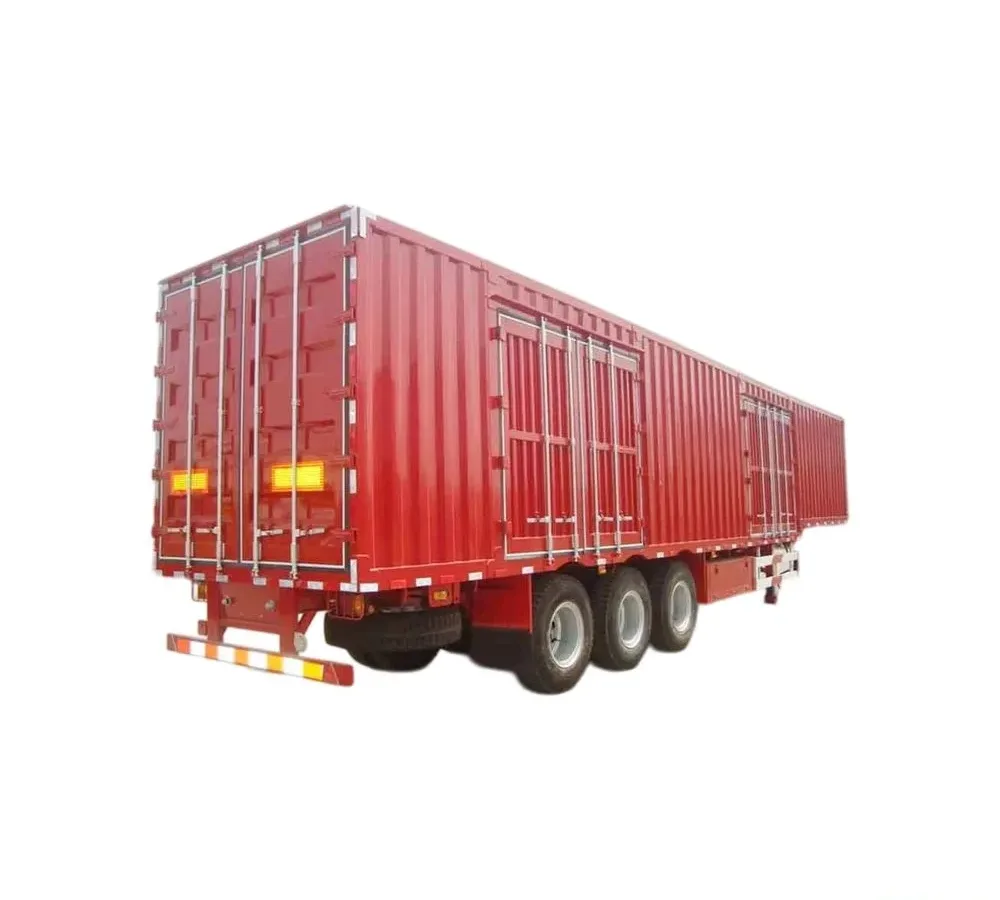
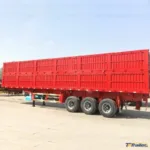
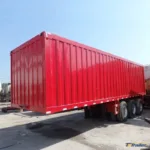
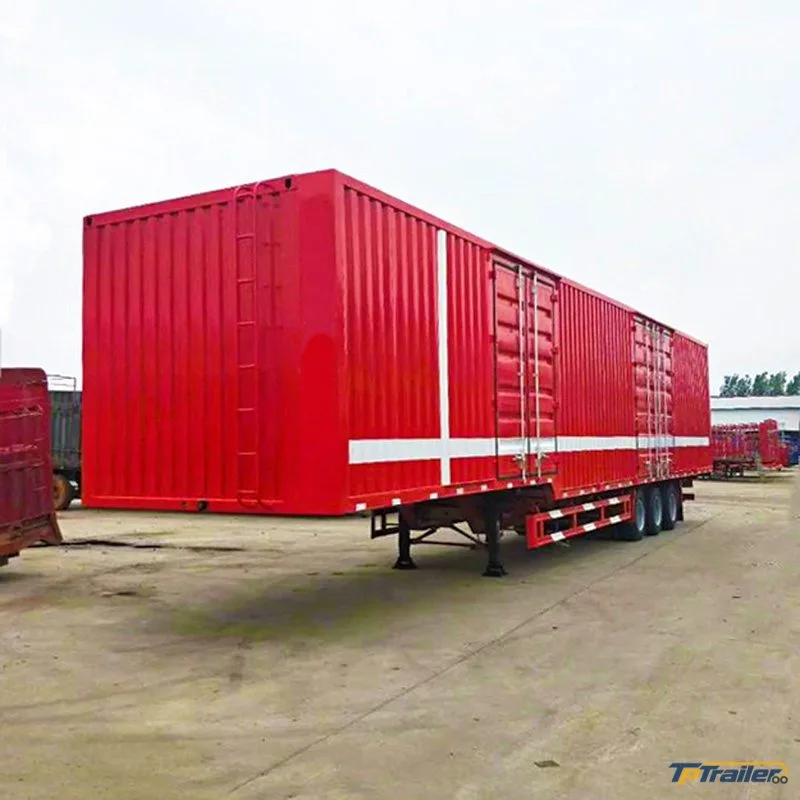
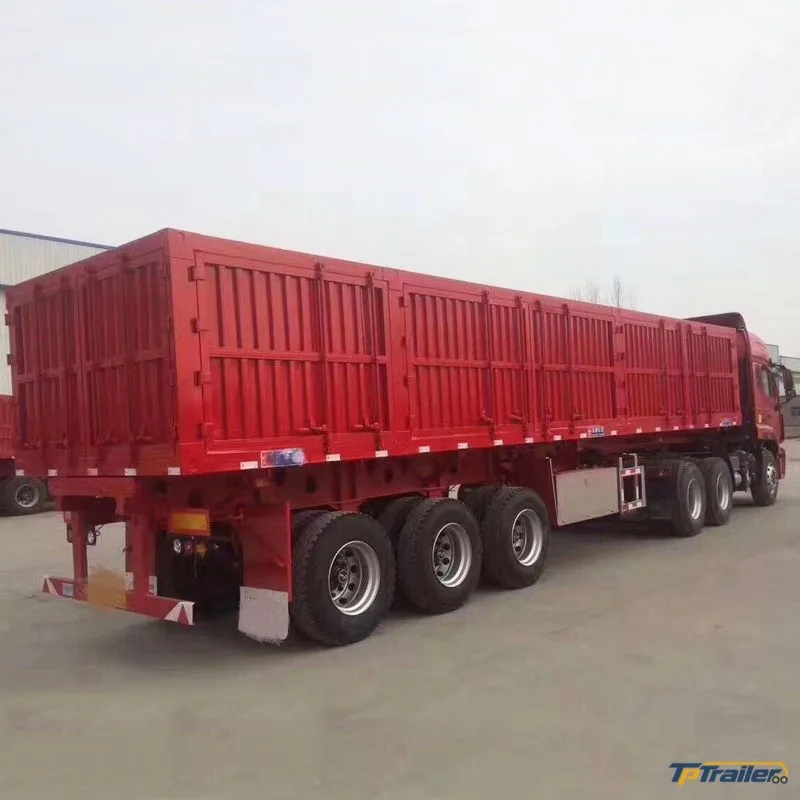
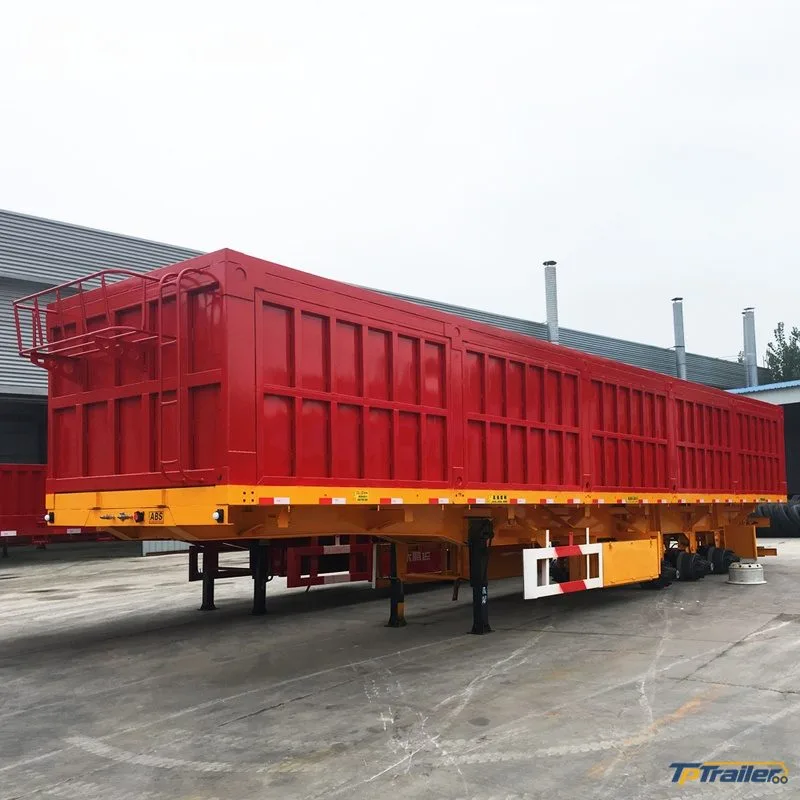
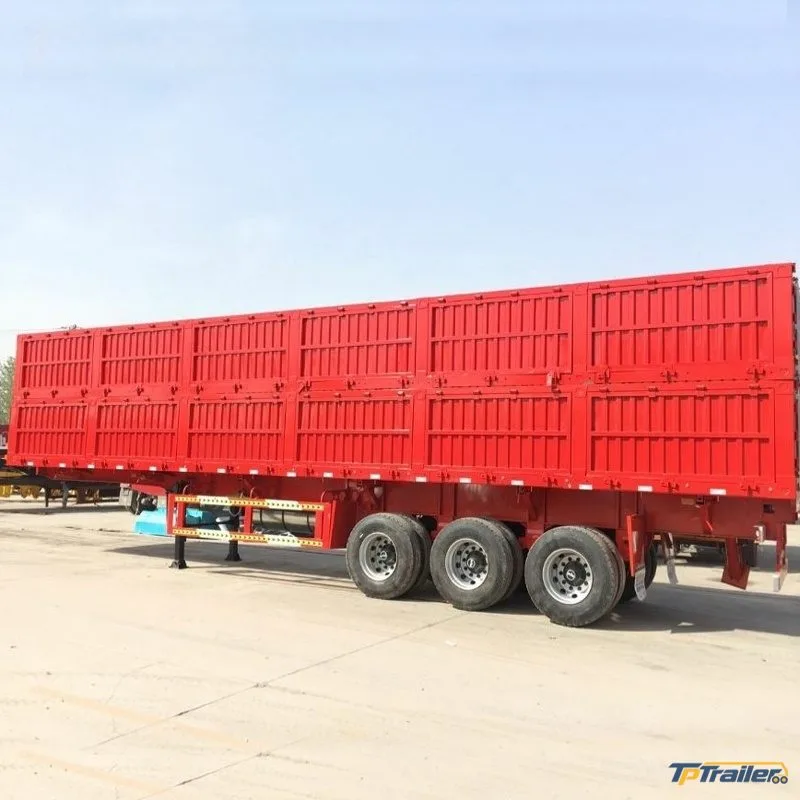
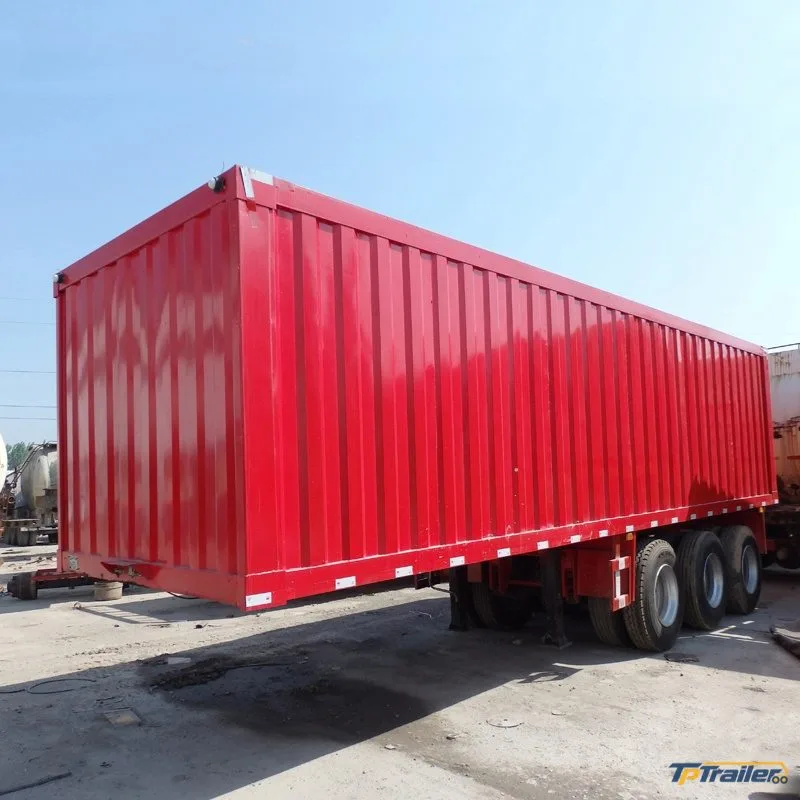
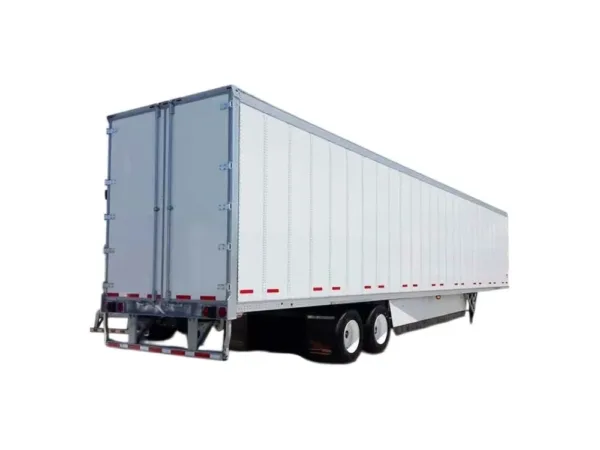
A cargo box semi trailer is a fully enclosed van trailer built to move weather-sensitive, high-value or theft-prone freight on standard road networks. It suits fleet operators, logistics contractors and shippers who need dry, secure loads moved without tarpaulin labour. The body is a rigid box on a semi-trailer chassis, with rear doors and a floor rated for forklift work. Zhuowei builds this enclosed van truck trailer in axle counts and capacities that scale from regional distribution to heavy bulk runs. The strongest reason to choose it: the load stays dry, locked and undamaged from dock to dock, whatever the weather does en route.
Table of Contents
Why It Works On Site
Axle count matched to the load. The cargo box semi trailer is offered with a selectable number of axles, so a light distribution fleet can run a shorter, lighter combination while heavy bulk haulers add axles to spread weight and stay within road limits. Fewer axles cut tare and tyre cost; more axles raise legal payload and improve braking stability on long descents.
Axle weight rating headroom. Each axle is rated to carry a stated load, and the aggregate of those ratings sets what the cargo box semi trailer can legally and safely bear per axle group. Operators moving dense freight such as bagged minerals or steel coils choose the higher-rated axles so the trailer is not run at its ceiling on every trip, which protects bearings, tyres and suspension life.
Enclosed body for weather and security. The box shell keeps rain, dust and road spray off the freight, so paper, textiles, packaged food and electronics arrive as loaded. Lockable rear doors let the cargo box semi trailer sit overnight at a yard or roadside without a guard. That removes the daily tarp-and-rope routine and the damage claims that come with open decks.
Mechanical suspension for rough routes. The common mechanical suspension is a simple, repairable setup that tolerates unpaved yard roads, speed humps and mixed surfaces without the plumbing and sensors of air systems. For a cargo box semi trailer working construction supply runs or rural distribution, that means fewer breakdowns and repairs any workshop can handle with standard tools and parts.
Kingpin options for tractor matching. The kingpin is offered in two common sizes, so the trailer can be ordered to suit the fifth wheel already in the fleet. That lets a cargo box semi trailer slot into an existing tractor pool without adapter plates, and it keeps coupling wear predictable across mixed-age trucks.
Durable running gear and electrics. Vacuum tyres in the listed sizes, optional brake brands and a 24-volt electrical system keep the cargo box semi trailer serviceable from common stock. Fleet managers can standardise on the tyre and brake parts their workshops already hold, cutting downtime when a unit is pulled from service for a roadside repair.
Where It Is Used
The most common duty for a cargo box semi trailer is line-haul distribution between warehouses, depots and retail outlets. Pallets of packaged goods, cartons, appliances and mixed retail stock load through the rear doors and ride dry for the whole run. Because the body is enclosed, the trailer can be pre-loaded at a distribution centre and left sealed until it reaches the store dock, which suits scheduled night deliveries and multi-stop routes.
Operators running regular trunk lanes value the cargo box semi trailer because loading and unloading follow a fixed routine: back to the dock, open the doors, move pallets with a forklift, close up and go. No sheeting, no load restraints exposed to the weather, no tarpaulin crew on the payroll.
Beyond general distribution, the enclosed van truck trailer handles freight that cannot risk moisture or handling damage. That includes bagged agricultural inputs, packaged chemicals, paper and board, furniture, textiles and consumer electronics. Removal and relocation contractors use the same body for household and office moves, since the flat floor and full-height opening take bulky items that would not fit an open deck under a tarp.
Construction supply operations use a box cargo truck trailer for fittings, fixtures and finished materials that must arrive clean on site. Regional hauliers also run these trailers on mixed routes where a load picks up at a factory and drops at several yards, because the cargo stays protected between stops and the doors can be locked at each handover. The common thread is freight where dryness, security or clean handling matters more than open-deck loading flexibility.
Choosing The Right Spec
Match axle quantity to payload and routes. The cargo box semi trailer is offered across a range of axle counts. Fewer axles suit lighter, shorter distribution work where tare weight and fuel matter; more axles suit dense cargo and long motorway runs where legal payload and braking stability come first. Start from the heaviest load the trailer will regularly carry, not the average, and pick the axle count that supports it with margin.
Pick the axle weight rating for your freight density. Axle ratings within the range set how much each axle group can bear. Low-density freight such as packaged goods fills the box before it approaches weight limits, so a lighter rating is enough. High-density cargo like bagged minerals, coils or tiles reaches the weight limit with space to spare, so the higher axle rating is the safer match and protects running gear from constant near-limit work.
Choose tyre and brake brands around your workshop. Tyres come in listed vacuum sizes and brake brands are optional, so the right choice is the one your maintenance team already stocks and services. A fleet standardising on one tyre size across its cargo box semi trailer fleet cuts spare inventory and swap time. Brake brand selection should follow the same logic: pick what your technicians know and what parts are readily available locally.
Set kingpin and electrical spec to the tractor pool. The kingpin is offered in two common sizes and the electrical system runs at a stated voltage. Order the kingpin that matches the fifth wheels on your tractors so the cargo box semi trailer couples without adapters, and confirm the electrical voltage matches your lighting and ABS setup. Painting is optional, so livery and corrosion protection can be specified to suit the operating environment.
Customisation Before Delivery
Axle count and axle brand. The cargo box semi trailer can be ordered with an axle quantity anywhere between two and four, and the axle brand itself is optional. More axles spread the load across the running gear, while fewer axles keep tare weight down. The axle weight load range is fixed per axle, so the count you choose sets how the trailer carries its capacity. Every choice is settled at order confirmation.
Suspension type. The standard suspension on this cargo box semi trailer is the common mechanical type, which suits predictable routes and mixed road surfaces. Buyers who run a fixed duty cycle should confirm the suspension in writing when the order is placed, because the running gear layout is built around it. Suspension is chosen together with the axle configuration, not separately.
Tyres and rims. Two tyre specifications are offered: a vacuum tyre and a bias-ply option in the stated sizes. The vacuum tyre suits long highway runs, while the bias option is often preferred where road surfaces vary. Tyre size must match the rim and the axle rating, so the selection is locked at order confirmation alongside the axle count and the cargo box semi trailer body length.
Painting and finish. The paint specification is optional. Colour choice and coating build are agreed when the order is confirmed, which lets fleets keep a consistent livery across a cargo box semi trailer fleet. Because the paint is applied before delivery, any change to the colour must be raised before the build starts rather than after the box is assembled.
Kingpin and electrical system. The kingpin is available as either of the two traction pin sizes, and the electrical system runs on the stated voltage. Both are matched to the tractor unit at order confirmation. A cargo box semi trailer ordered with the wrong pin size cannot be coupled safely, so the tractor’s fifth wheel specification should be checked before the order is signed.
Fitting And Installation
Fitting starts at the tractor unit, not at the trailer. The buyer has to match the fifth wheel to the kingpin size ordered, confirm the coupling height, and check that the landing gear and the box body clear the tractor’s rear structure through a full turn. The electrical system is a stated voltage, so the tractor socket, the cable routing and the connector pinout should be checked before the cargo box semi trailer is coupled for the first time.
Air lines and the brake signal path run from the tractor to the trailer, and the routing should be planned so nothing chafes against the box frame or the suspension. Because this page states no fitment drawing, no torque value and no hose length, a fitment drawing is confirmed at quotation instead. That drawing is the document the workshop should work from.
A wrong size costs downtime in a very direct way. A mismatched kingpin means the cargo box semi trailer cannot legally or safely be coupled at all, and the unit sits until the pin is changed. A tractor wired for a different voltage turns a simple coupling job into an electrical fault-finding exercise.
Tyres and rims that do not match the axle specification stop the trailer from entering service even when the box itself is complete. None of these are faults in the trailer; they are mismatches between the trailer and the tractor. That is why the fitment drawing is confirmed at quotation, so the tractor specification, the axle count and the tyre choice are checked against one another before the cargo box semi trailer leaves the works.
Service Life And Maintenance
Brakes and drums first. On a loaded cargo box semi trailer the brake linings, drums and slack adjusters wear before anything else. The operator should inspect lining thickness, drum condition and air line condition at each scheduled check, and confirm the brake brand fitted matches the parts stocked locally. Keeping the optional brake brand consistent across a fleet shortens every later service visit.
Tyres and axle ends. Tyre wear pattern tells you about axle alignment and load distribution. Inspect tread depth, sidewall condition and wheel nut security, and check the axle ends for play. The vacuum tyre option holds its shape well on long runs, while the bias option is easier to source on some routes. Whichever is fitted, the axle weight load limit per axle should not be exceeded, because overloading shortens tyre and bearing life together.
Suspension and hangers. The common mechanical suspension carries the load through bushes, shackles and hanger brackets. Inspect bush wear, shackle play and the condition of the spring leaves, and listen for knocking on uneven ground. A cargo box semi trailer that runs a fixed route benefits from a suspension check at the same time as the brake check, since both are reached from the same position under the frame.
Kingpin and coupling plate. The kingpin and the upper coupler plate take repeated shock loads. Inspect the pin for wear and the plate for cracking or elongation around the pin. Grease the coupling surfaces as part of the routine, and confirm the pin size matches the tractor before every new tractor enters the fleet. A worn cargo box semi trailer kingpin is a coupling safety item, not a cosmetic one.
Paint, box panels and seals. The painting specification is optional, and a heavier coating build extends the interval before rust appears on the frame and box panels. Inspect door seals, roof seams and the lower frame rails for water ingress. A cargo box semi trailer kept dry inside protects the cargo as well as the structure, so seal checks belong on the same schedule as the running gear checks.
Packing And Container Loading
Each cargo box semi trailer is prepared for sea freight as a complete unit or in matched sections, depending on how the box body, running gear and landing legs are arranged for the shipment. Steel surfaces are cleaned and coated before dispatch, and the painted panels are kept clear of the frame edges so that contact wear does not start in transit. Loose items such as the kingpin fittings and electrical connections are packed separately and listed against the unit. The buyer should confirm the packing method in writing before the cargo box semi trailer is loaded, because the arrangement chosen affects both protection and the space the shipment occupies.
Container loading depends on the trailer configuration. A full cargo box semi trailer is normally shipped as a rolling unit on a flat rack or a suitable vessel deck rather than inside a standard container, while a knocked-down box body and chassis sections can be nested to reduce the volume they occupy. Stacking of loaded units is not assumed. Ask the supplier to state the loading plan, the lifting points and the securing method for the cargo box semi trailer, and check that the plan matches the receiving facility. Confirm what the buyer must verify on arrival: panel alignment, coating condition, and that every listed component is present.
Common Mistakes Buyers Make
Ordering the wrong kingpin size. The tractor in the fleet may use a different coupling from the one assumed at enquiry. A mismatch means the cargo box semi trailer cannot be coupled safely on arrival. The single check is to read the kingpin size from the tractor’s own specification plate and put that figure in the order, not the size a colleague remembers.
Ignoring the axle count against the payload. Buyers pick the axle quantity by habit rather than by the load the cargo box semi trailer will actually carry. The result is a running gear that is either overbuilt for the route or marginal for the cargo. The check is to write down the heaviest load and the route, then confirm the axle quantity and the axle weight load together with the supplier.
Leaving the suspension type unconfirmed. The common mechanical suspension is stated, but buyers sometimes expect an air option without asking. The delivered cargo box semi trailer then does not match the fleet’s maintenance routine. The check is to confirm the suspension type in the quotation and to state whether the fleet can service it with the parts already held in stock.
Assuming the electrical system matches the tractor. The trailer voltage is fixed, but the socket, cable routing and lamp arrangement can differ from what the buyer expects. Faults appear only when the cargo box semi trailer is coupled for the first time. The check is to compare the tractor’s socket and voltage with the trailer electrical system before the order is placed.
Skipping the tyre specification. The tyre size and type affect load capacity and the spares the buyer must stock. Buyers often accept whatever is quoted without checking it against the rest of the fleet. The check is to confirm the tyre specification in writing and to order spare tyres of the same size with the cargo box semi trailer.
Buyer Questions
Can the cargo box semi trailer be shipped in a standard container?
It depends on the configuration. A complete unit is normally handled as a rolling unit rather than loaded inside a standard container, while a knocked-down box body and chassis can be arranged to occupy less space. The buyer should ask for the loading plan before ordering, confirm the dimensions of each section, and check that the receiving site has lifting equipment rated for the sections. The exact shipping arrangement for your cargo box semi trailer is confirmed at quotation.
Which options should be fixed before the order is placed?
The axle brand, painting, brake brand and axle quantity are all listed as optional or selectable, so each one should be written into the order rather than left to the supplier’s default. The buyer should list the axle quantity, the axle brand, the brake brand and the painting requirement, then compare that list line by line with the quotation. Any item not confirmed in writing is treated as the standard configuration of the cargo box semi trailer.
How is the payload matched to the running gear?
The capacity range and the axle weight load are separate properties, and the buyer should confirm both against the intended cargo rather than relying on the headline figure. Measure the heaviest load the cargo box semi trailer will carry, add the weight of the box body and fittings, and give the supplier that total. The supplier can then confirm the axle quantity and axle weight load that suit the duty. Final matching is confirmed at quotation.
To receive an accurate quotation for the cargo box semi trailer, send the internal box length you need, the axle count you want, and the quantity you plan to order. State the kingpin size and the tyre specification if these must match an existing fleet. The supplier will confirm the configuration, options and packing plan against those details.
We use cookies to enhance your browsing experience, serve personalized content, and analyze our traffic. By clicking "Accept All", you consent to our use of cookies. Privacy Policy
Cookie Preferences
Required for the website to function properly. Cannot be disabled.
Help us understand how visitors interact with the website (Google Analytics).
Used to deliver personalized ads and measure ad campaign effectiveness.









Write a Review