Steel Bitumen Tanker Semi Trailer 45000L Asphalt Transport
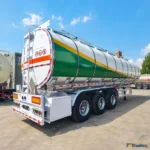
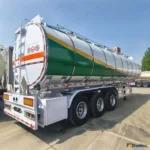
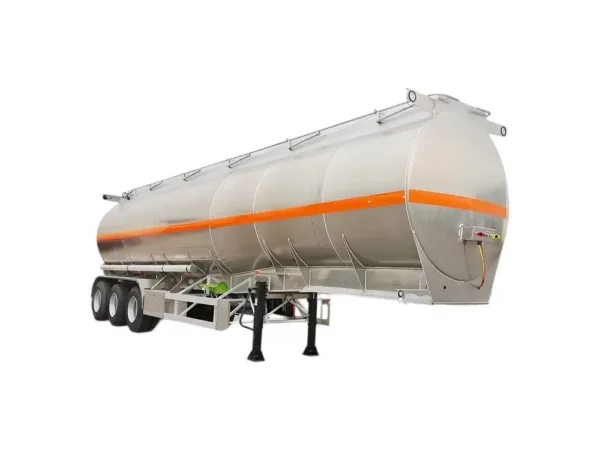
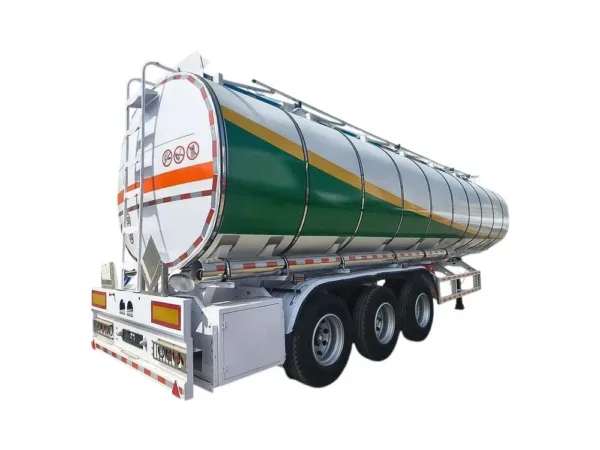
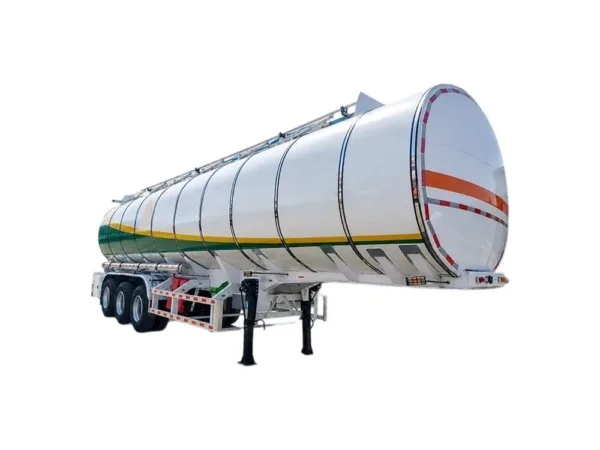
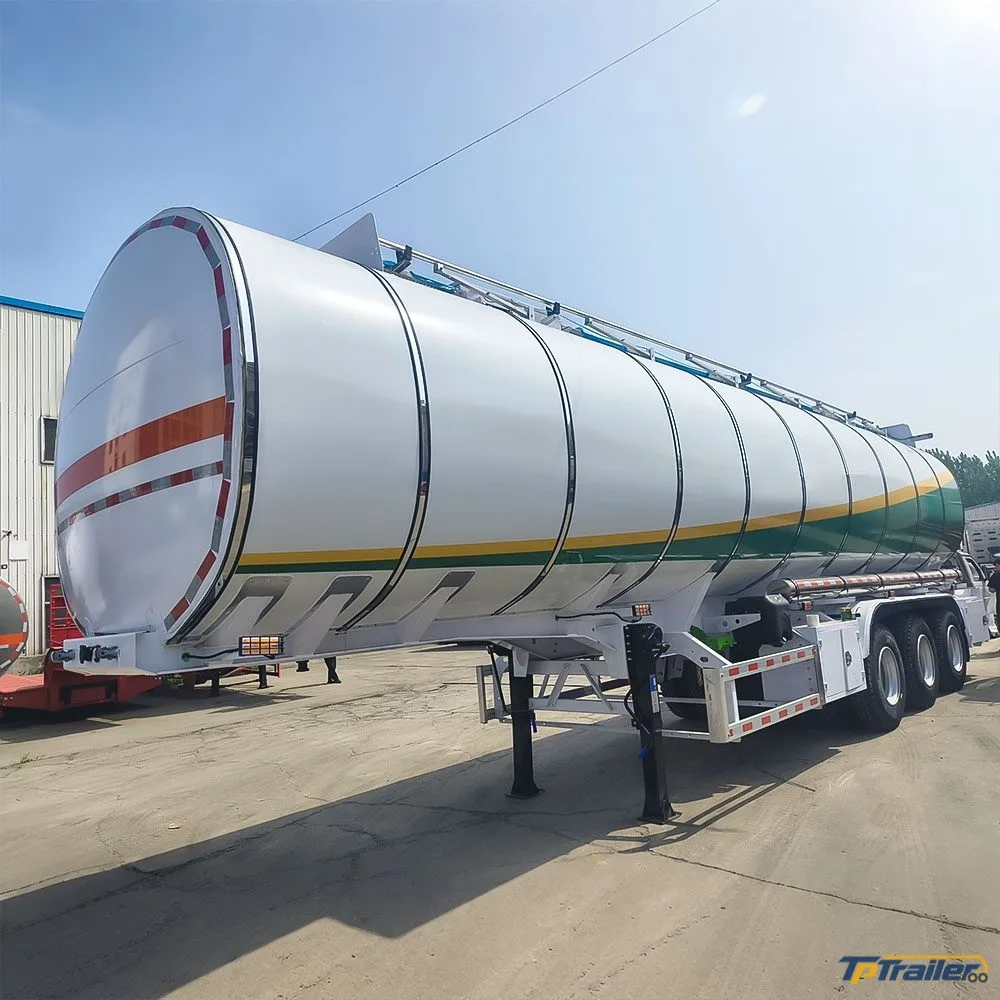
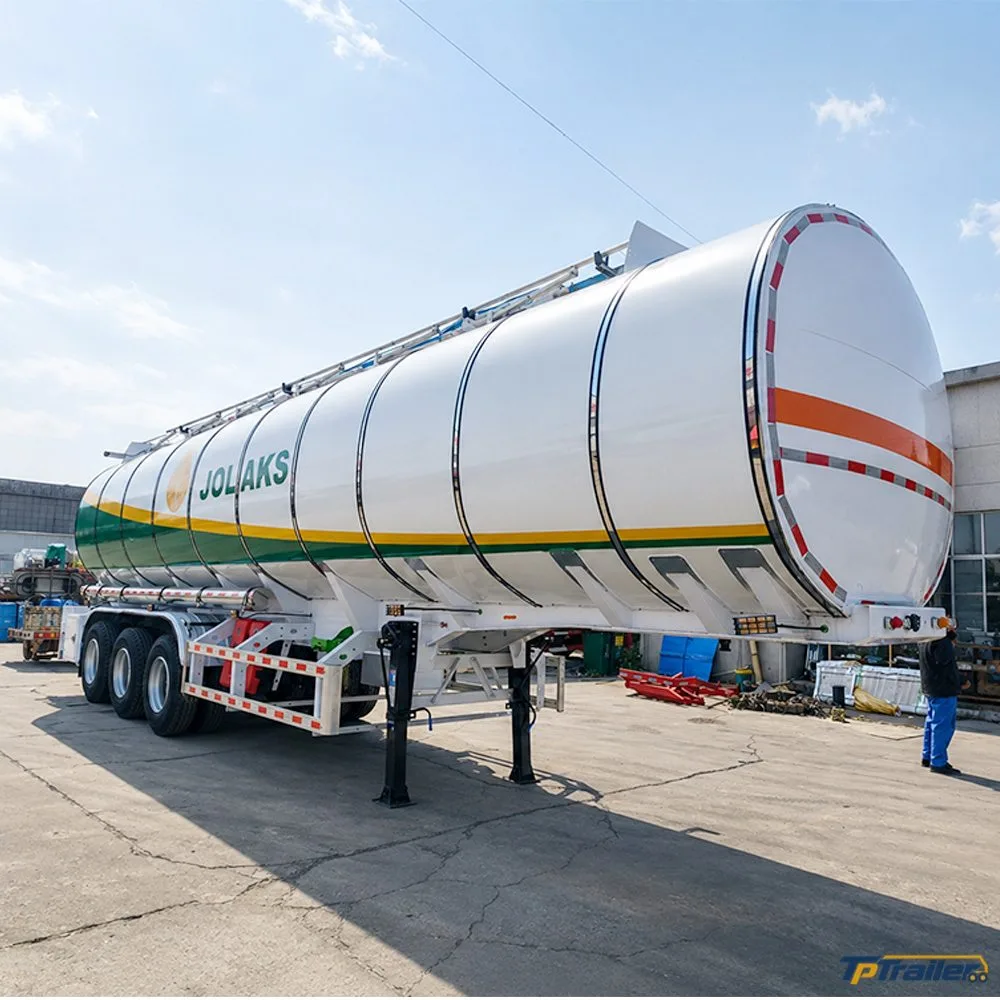
Steel bitumen tanker semi trailer with 45000L capacity for asphalt transport to Ghana. Load capacity 15001-20000 KG. Request a quote for your fleet today.
15001-20000 KG 3
FOB Reference PriceUS$8,000-10,000Final price confirmed by inquiry
Certifications
ISO 9001
Key Features
45000L tank volume for bulk asphalt transport
Steel tank construction for demanding haulage duty
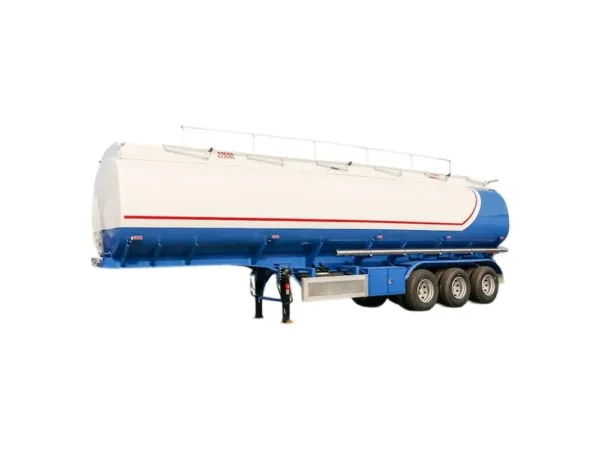
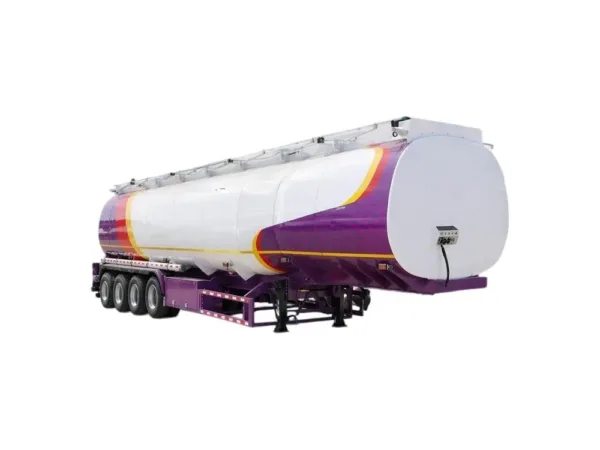
A steel bitumen tanker semi trailer is the working unit that moves hot asphalt from depot to paving site without letting the heat out or the load settle. This 45000L asphalt transport trailer is built for haulage contractors, road construction fleets and fuel distributors who need a carbon steel tank body that holds temperature over long runs and stands up to repeated loading. The strongest reason to choose it: a simple, repairable steel structure matched to a load capacity of 15001-20000 KG, so the trailer earns its keep on daily asphalt duty instead of sitting in the workshop. It suits operators buying their first bitumen unit or adding capacity to an existing fleet.
Table of Contents
Why It Works On Site
Carbon steel tank shell. The steel body takes the knocks of depot loading arms, rough yard surfaces and repeated thermal cycling without the brittleness that worries buyers of lighter shells. That means fewer weld repairs and a tank you can keep in service across seasons, which is exactly what a steel bitumen tanker semi trailer is bought for.
45000L working volume. A large single load cuts the number of trips between the terminal and the paver, so a crew spends more of the day laying and less of it shuttling. For a steel bitumen tanker semi trailer running fixed depot-to-site routes, that volume is what turns a schedule into a full day’s output.
Load capacity of 15001-20000 KG. The rated payload band lets you plan axle loading and route permits around a known figure rather than guessing. It keeps the steel bitumen tanker semi trailer inside the weight class most hauliers already run, so it slots into an existing tractor and driver pool.
Insulated hot-cargo body. Bitumen has to arrive at spraying temperature, and a body designed to hold heat reduces the drop over a long run. That lets a steel bitumen tanker semi trailer cover longer distances without a reheating stop, protecting both the cargo and the paving window.
Semi-trailer coupling. The standard fifth-wheel format means the unit hooks to the tractors a fleet already owns, with no dedicated prime mover. A steel bitumen tanker semi trailer that drops onto existing equipment keeps capital tied up in the tank, not in another truck.
Straightforward steel construction. Fewer exotic materials means any competent fabrication shop can carry out field repairs. For a steel bitumen tanker semi trailer working far from a main depot, that repairability is what keeps downtime counted in hours rather than weeks.
Where It Is Used
The most common job for this unit is the depot-to-paver run. A steel bitumen tanker semi trailer loads hot bitumen at a terminal or refinery and delivers it to a road construction site where a paver and roller crew are waiting. On a resurfacing contract, that means repeated daily trips over the same corridor, with the trailer cycling between fill and discharge.
The large tank volume suits this pattern because each trip carries enough material to keep the laying gang working through a shift. Operators running highway rehabilitation, urban street resurfacing and car park reconstruction all recognise the rhythm: load early, run, discharge, return. The steel bitumen tanker semi trailer fits that loop because the carbon steel body handles constant loading and the semi-trailer format keeps turnaround quick between trips.
A second set of jobs sits further from the paving gang. Distributors use a steel bitumen tanker semi trailer to move stock between storage terminals, and contractors use it to hold bitumen on site as a buffer tank between deliveries. On chip-seal and surface-dressing work, the trailer can act as the supply point that keeps the sprayer topped up through the day.
The same unit also serves asphalt plants, where bitumen is a raw feed and continuity matters more than speed. Because the load capacity sits in the 15001-20000 KG band, the steel bitumen tanker semi trailer can be planned into routes where axle limits are known, whether the run is a short urban hop or a longer inter-city transfer between depots.
Choosing The Right Spec
Match tank volume to route length. If your runs are short and frequent, the full tank volume of this steel bitumen tanker semi trailer may be more than a single paving shift needs, and you can plan partial loads. On longer depot-to-site runs, filling the tank is what removes a mid-day return trip.
Check the load capacity band against your routes. The 15001-20000 KG rating is the figure to weigh against bridge limits, axle rules and the weight class of your tractors. A steel bitumen tanker semi trailer bought for one corridor may need a different loading plan on another, so confirm the band fits the roads you actually run.
Decide how the unit will be used on site. A trailer that only shuttles between terminal and paver is specified differently from one that doubles as a buffer tank holding hot stock through a shift. Think through whether your steel bitumen tanker semi trailer will discharge straight into a sprayer or stand as storage before you settle the layout.
Plan the tractor and driver pool first. The semi-trailer format only pays off if the coupling matches the trucks you already operate. Confirm fifth-wheel compatibility and driver familiarity before ordering, so the steel bitumen tanker semi trailer goes into service on day one rather than waiting for a suitable prime mover.
Customisation Before Delivery
Axle count is the first choice to settle on a steel bitumen tanker semi trailer. More axles spread the payload and change how the rig tracks on soft road shoulders. Confirm the number you need at order confirmation, and the running gear is built to that figure rather than adjusted later.
Deck length and tank mounting length decide how the unit sits behind your tractor. A short deck suits tight yard turns; a longer one carries the tank with more room for fittings. State the length you want when the order is confirmed so the frame is cut once.
Suspension type changes ride quality and how the tank shell handles road shock. Mechanical and air options behave differently on loaded runs. Pick the type that matches your route and your workshop, and lock it in at order confirmation before fabrication starts.
Tyre size and brand tier are open to your fleet standard. Matching the steel bitumen tanker semi trailer to the rubber you already stock keeps spare wheels and service simple. Tell us the size at confirmation so the axles and mudguards are set to suit.
Colour and finish are chosen from the coating options offered for the shell and frame. A lighter topcoat helps in strong sun; a darker one hides road film. Confirm the shade at order confirmation and it is applied as part of the build.
Fitting And Installation
On arrival, the buyer has to match the steel bitumen tanker semi trailer to the tractor that will pull it. Check the fifth wheel height and the kingpin position first. Then check the mounting points on the frame rails, the air and electrical coupling heights, and the landing leg spread. The tank shell, the frame and the running gear arrive as one assembled unit, so the work is at the interfaces, not the shell itself. Confirm the drawbar and coupling hardware against your tractor before the unit is moved. A fitment drawing is confirmed at quotation, so the geometry is agreed in writing before build. Keep that drawing on site during installation.
A wrong size at the interface costs downtime. A kingpin height that does not match the fifth wheel means the trailer cannot be coupled safely, and the unit sits idle while parts are sourced. A mismatched coupling or hose set can stop the first loaded run. Because the steel bitumen tanker semi trailer is built to the confirmed drawing, the cheapest protection is to check the tractor against that drawing before delivery. Measure the mounting points, the tube size on the air lines and the hose routing path. If anything differs, raise it before the unit ships, not after it lands.
Service Life And Maintenance
The tank shell and its coatings wear first on a steel bitumen tanker semi trailer. Bitumen residue and road salt attack the surface over time. Inspect the shell, seams and frame for coating damage on a set schedule. A specified coating choice extends the interval between recoats, so record the coating used and match it when touching up.
Hoses, seals and couplings are the next wear point. Heat and repeated loading harden rubber and loosen joints. The operator should inspect the hose routing, look for cracks and check clamp tightness. Replacing a worn hose early is cheaper than a spill. Keep the specified hose type on hand so replacements match the original fit.
Running gear takes constant load. Inspect tyre pressure and tread, wheel nut torque and brake adjustment as part of the walk-around. On a steel bitumen tanker semi trailer, uneven tyre wear points to alignment or suspension trouble. Note what you find and act on it before the next long run, not after.
Suspension components and bushings wear with every loaded kilometre. Check springs, shackles and air bags for cracks or sag. The suspension choice made at order affects how these parts age on your routes. Inspect after rough-road trips and keep the specified replacement parts in stock so a worn bushing does not park the unit.
Frame and mounting points need a periodic look. Bolts can loosen with vibration, and paint can fail at joints. Inspect the frame rails, cross members and tank mounts for cracks or corrosion. The steel grade and coating chosen at build set how well these areas resist wear, so protect them and the service life holds.
Packing And Container Loading
A steel bitumen tanker semi trailer ships as a road-going unit, not as a boxed part. The tank body, chassis, running gear and landing legs stay assembled. Protection for sea freight therefore focuses on exposed surfaces. Paintwork and the tank shell are wrapped or covered to limit salt spray and abrasion. Axle ends, brake chambers and electrical connectors are sealed against moisture. Loose items such as the discharge valve handle and spare wheel carrier are tied down or crated. Confirm with the supplier which surfaces are wrapped and which fasteners are sealed before the steel bitumen tanker semi trailer is handed to the carrier.
Space saving is limited by the design itself. A steel bitumen tanker semi trailer cannot be nested like a stackable part, because the tank, axles and kingpin are fixed in place. Loading is normally roll-on or lifted onto a flat rack or into an open-top container, depending on the carrier and route. The buyer should verify the loading method in the booking, check that the unit is chocked and lashed at the kingpin and axles, and inspect the tank shell, paint, valves and lights on arrival. Photograph any damage before signing the delivery receipt.
Common Mistakes Buyers Make
Ordering the wrong tank volume. Buyers compare the load capacity figure with the tank shell they actually need and forget that insulation, baffles and fittings take up internal space. The single check is to confirm the usable volume with the supplier in writing against your planned payload, not just the headline capacity of the steel bitumen tanker semi trailer.
Mismatching the kingpin and fifth wheel. A tractor unit with a different fifth wheel height or coupling standard will not lock onto the trailer safely. Before ordering, measure your tractor’s fifth wheel height and confirm the kingpin size and position on the steel bitumen tanker semi trailer with the supplier.
Ignoring axle and tyre configuration. Buyers assume the axle count suits their road rules and load limits, then find the unit is over or under specified. Check the permitted axle load and tyre size for your route with your transport authority, and confirm the axle count of the steel bitumen tanker semi trailer at quotation.
Skipping discharge and heating details. Bitumen needs the right valve layout, insulation and heating arrangement for the receiving terminal. The check is to list the terminal’s connection sizes, discharge method and heating source, then confirm each item on the steel bitumen tanker semi trailer specification sheet before the order is placed.
Assuming the paint suits the climate. Coastal humidity and strong sun shorten the life of a standard finish. Ask the supplier which paint system is applied and whether the steel bitumen tanker semi trailer can be finished for your conditions, then confirm it in the order documents rather than relying on a photo.
Buyer Questions
Can the trailer be shipped in a standard container?
Not in a standard closed container. The assembled steel bitumen tanker semi trailer is far longer and wider than a container opening, so it moves as breakbulk, on a flat rack or in an open-top unit. Ask the supplier which loading method they propose for your route and port. Then confirm the freight terms, lifting points and lashing plan with your forwarder before booking, because the loading method affects both cost and risk.
What should I check when the unit arrives?
Inspect the tank shell for dents and coating damage first. Then check the axles, brake chambers, lights, valves, landing legs and kingpin for movement or corrosion. Confirm that every item on the packing list is present. Photograph the steel bitumen tanker semi trailer from several angles before unloading and note any issue on the delivery receipt. Send the photos to the supplier promptly, since claims are easier to resolve before the unit is put into service.
Is the load capacity the same as the tank volume?
No. The load capacity figure describes how much the unit is rated to carry, while the tank volume describes the space inside the shell. Baffles, insulation and fittings reduce usable space, and bitumen density affects the payload you can legally move. Ask the supplier to confirm both figures for the steel bitumen tanker semi trailer in writing, and check them against your tractor’s rating and local road limits.
To receive a quotation for a steel bitumen tanker semi trailer, send the overall length you need, the axle count, and the quantity you plan to order. Add your destination port and any tank or discharge requirements. With those details, the supplier can confirm the configuration, packing method and loading plan for your shipment.
We use cookies to enhance your browsing experience, serve personalized content, and analyze our traffic. By clicking "Accept All", you consent to our use of cookies. Privacy Policy
Cookie Preferences
Required for the website to function properly. Cannot be disabled.
Help us understand how visitors interact with the website (Google Analytics).
Used to deliver personalized ads and measure ad campaign effectiveness.





















Write a Review